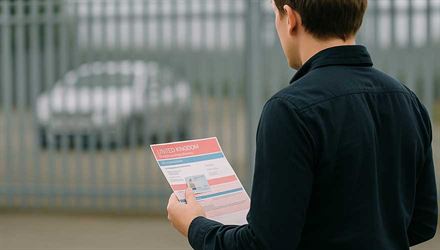
Why HGV impounds follow strict procedures
When a heavy goods vehicle is seized, the process is often more structured than with ordinary cars. The size of the vehicle, its load, operator licensing rules and safety requirements all influence how the pound handles the case. Because of this, recovery tends to involve several checks rather than a simple release appointment.
Operators and drivers are usually advised to prepare early, as delays can affect delivery schedules, contract obligations and storage costs.
Typical reasons an HGV is taken to a pound
The grounds for seizure vary, but they normally relate to issues affecting roadworthiness, licensing or legal compliance. Pound staff must record the circumstances and secure the vehicle until the entitled person attends with the correct documentation.
- Driving without valid insurance.
- Operator licensing concerns.
- Problems with driver entitlement or tachograph compliance.
- Vehicle defects serious enough to justify removal from the road.
- Matters linked to an investigation.
Because every situation is different, the pound’s requirements may change depending on why the vehicle was seized.
What documents are usually needed for HGV release
Large vehicles require more checks, and the pound may request documents that would not apply to a private car. Staff aim to confirm ownership, operating authority and lawful entitlement to drive or remove the vehicle.
- Photo ID for the person attending.
- Evidence of ownership or operating authority.
- The V5C or fleet documentation linking the vehicle to the operator.
- Insurance suitable for impound release.
- Correct driving licence entitlement for the vehicle class.
- Tachograph card if the driver is collecting by road.
Some pounds also ask for company letters confirming the visitor’s role or authority to collect the vehicle.
Whether the HGV can leave by road
Release by road is only allowed if the vehicle meets all legal requirements. If the HGV has defects, no MOT, incorrect loading or anything that prevents lawful driving, the pound may require removal by a specialist vehicle recovery company. Because recovery costs for large vehicles can be high, operators often prefer to resolve documentation issues quickly to avoid this outcome.
Where permitted, the driver must be fully insured and licensed for the class of vehicle.
Insurance requirements for an impounded HGV
HGVs cannot be released on ordinary short-term cover. Pounds normally expect a policy that meets the same principles applied to cars, including a minimum duration and wording suitable for impound release. Some providers offer impound-appropriate policies for commercial vehicles, while others restrict cover for large or heavy units.
- A policy that is valid for the vehicle class.
- Start date and time shown clearly on the certificate.
- Confirmation that the driver named to collect is covered.
- Contact details for the insurer in case staff need to verify the policy.
Because HGV insurance is more specialised, arranging suitable cover may take longer than with a standard car, so early preparation helps.
Practical steps for operators and drivers
The quickest recoveries usually happen when the company and driver coordinate their documents before attending. Keeping fleet records up to date and ensuring the driver has the right licence category can prevent unnecessary delays.
- Confirm which documents the pound expects for commercial vehicles.
- Check the vehicle’s condition and whether road release is permitted.
- Arrange insurance that is acceptable for pound release.
- Ensure the collecting driver has the correct licence and tachograph card.
Because pounds operate under tight storage deadlines, organising these steps early often makes the process more manageable for both drivers and operators.
Keep in mind that losing your temper makes things harder for you and staff, and it disrupts the calming atmosphere that helps everyone cope.